If your dog has been slowing down, struggling to get up, limping after activity, or showing signs of stiffness, you are not alone. The same goes for cats who seem less willing to jump, hide more often, or act uncomfortable when touched.
Pain in pets is often subtle, and many owners are not sure what they are seeing at first. That is one reason laser therapy has become a bigger topic in veterinary medicine. It offers a non-invasive way to help reduce pain and inflammation and support healing in many dogs and cats. AAHA describes the main clinical benefits of veterinary laser use as decreased pain, decreased inflammation, and improved wound healing.
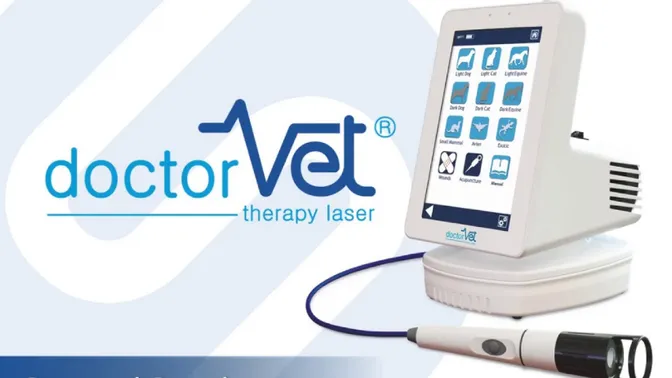
At Croton Animal Hospital, we are excited to offer DoctorVet Therapy Laser as another way to help pets feel more comfortable and recover more smoothly. For pet owners in Croton, Ossining, Peekskill, Yorktown Heights, and nearby Northern Westchester communities, that means access to a treatment option that can fit into a thoughtful, modern pain-management plan.
First, what is laser therapy for pets?
Laser therapy, also called cold laser therapy, low-level laser therapy, or photobiomodulation, uses specific wavelengths of light to interact with tissue beneath the skin. The goal is to help reduce inflammation, improve circulation, support tissue repair, and ease discomfort. AAHA notes that therapeutic laser use can promote blood flow, muscle relaxation, decreased inflammation, and faster healing and repair.
That sounds technical, but the practical takeaway is simple: laser therapy may help pets who are sore, inflamed, recovering, or dealing with ongoing pain.
“Will this hurt my pet?”
This is usually the first real question.
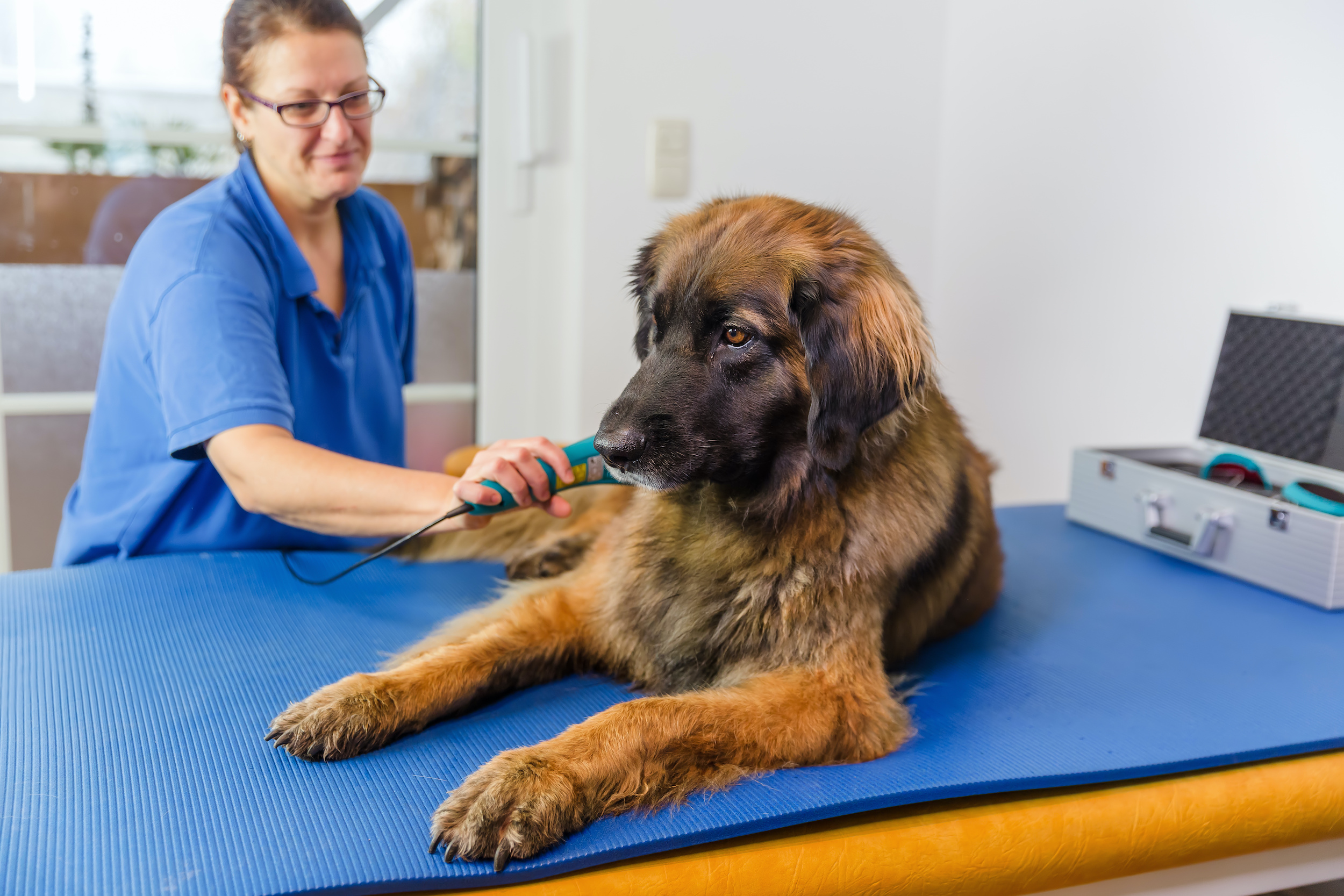
In most cases, laser therapy is painless and well tolerated. AAHA describes it as safe when properly used, and AKC notes that it is commonly used to help manage pain and inflammation in dogs, especially in conditions like osteoarthritis. Sessions are non-invasive, and many pets stay relaxed throughout treatment.
That matters because a lot of owners hear the word “laser” and picture something intense or uncomfortable. Veterinary laser therapy is not surgery. It does not involve cutting. It is not like a harsh procedure your pet has to endure. The experience is typically quick and low stress.
“Does my pet need sedation?”
Usually, no.
One of the big advantages of laser therapy is that it generally does not require sedation. AAHA notes that pets typically do not need sedation for treatment, and treatment sessions are often fairly short depending on the condition and area being treated.
That is a major plus for owners of older pets, anxious pets, and pets with medical issues that make anesthesia less desirable.
“What problems can laser therapy actually help?”
This is where pet owners want specifics.
Laser therapy is often used for issues involving pain, inflammation, healing, and mobility. Common veterinary uses include arthritis, joint pain, soft tissue injuries, post-surgical recovery, wound healing, and certain inflammatory conditions. Osteoarthritis is one of the most common reasons laser therapy is used in dogs, according to AKC, and AAHA includes chronic arthritis, surgical incisions, tendon and ligament injuries, and wounds among common uses.
At Croton Animal Hospital, laser therapy may be considered for conditions such as:
- Arthritis and joint pain
- Hip dysplasia
- Soft tissue injuries
- Post-surgical healing
- Wound healing
- Inflammation
- Selected ear, skin, oral, and rehabilitation-related cases, depending on the patient and diagnosis
That matters because owners are not searching for “photobiomodulation.” They are searching for answers to real problems. They want to know whether something may help their dog with stiff hips, their cat after a procedure, or a pet that just does not seem comfortable anymore.
“Can it really help my older dog with arthritis?”
Potentially, yes, and this is one of the most common reasons owners ask about it.
AKC says osteoarthritis is one of the most common conditions for which laser therapy is used in dogs, and AAHA includes chronic arthritis among the conditions commonly treated. It is often used to help with pain and inflammation as part of a broader management plan.
The important thing to understand is that laser therapy is not positioned as a magic cure. A stronger and more honest way to explain it is this: for many pets with arthritis, laser therapy may help improve comfort and support mobility when combined with the right overall treatment plan.
That overall plan may also include weight management, medications, supplements, activity changes, or rehabilitation strategies. The goal is not hype. The goal is helping your pet move through life with less pain.
“What if my pet is recovering from surgery or an injury?”
This is another area where laser therapy can be useful.
AAHA notes that laser therapy is commonly used for surgical incisions, traumatic injuries, tendon and ligament issues, and wounds. A 2025 study in dogs and cats found preliminary evidence that class IV laser therapy may help accelerate post-surgical wound healing by improving inflammation control, tissue remodeling, and vascularization, though more research is still needed.
For owners, that usually translates into a simple concern: can my pet heal more comfortably and smoothly? In appropriate cases, laser therapy may be one part of helping that happen.
“How long does a laser therapy session take?”
Usually not long.
Session length depends on the size of the pet, the area being treated, and the condition involved. AKC notes that treatments may range from roughly 8 to 10 minutes for a smaller dog to around 30 minutes for larger dogs or more involved cases. AAHA also describes treatment sessions as relatively quick.
That is reassuring for owners who worry their pet will not tolerate a long appointment.
“Is this safe, or is it just a trendy treatment?”
It is fair to ask that. Owners should ask that.
Laser therapy is a legitimate veterinary treatment tool, but it should also be discussed honestly. AAHA says laser therapy is generally safe when used correctly by trained professionals, while also noting that improper use can cause burns and that eye protection is important.
At the same time, the research base is still evolving. A 2023 systematic review found that the evidence in veterinary laser therapy is promising in some areas, but study quality and treatment protocols vary, so results are not equally proven for every condition.
That is actually the right message for owners. Not “this fixes everything.” Not “this is just a fad.” The grounded truth is that laser therapy is a useful tool in veterinary medicine for many pain, inflammation, and healing-related cases, especially when chosen thoughtfully and used as part of a broader care plan. AAHA has even described laser therapy as part of a multimodal pain management approach that is becoming standard of care in general veterinary practice.
“Can I just buy an at-home red light device?”
This is where owners need a little caution.
There has been more recent public interest in red-light therapy for pets, including consumer at-home devices, but veterinarians quoted in current coverage warn against casually using human devices on animals. Tissue depth, treatment settings, and eye safety all matter, and pet-specific veterinary oversight is important.
That means the better question is not “Can I do this myself?” It is “Is my pet a good candidate, and what is the right protocol?” That is something your veterinarian should determine.
“Is laser therapy a replacement for medication or other treatment?”
Usually, no.
Laser therapy is most often used as part of a multimodal treatment plan. AAHA and current veterinary sources consistently present it as a complementary tool, not a blanket replacement for everything else.
That is actually good news for owners. It means there may be another option to add to the plan when a pet needs more support with pain control, healing, or inflammation.
What to expect at Croton Animal Hospital
If our team recommends laser therapy for your dog or cat, we will evaluate the condition being treated, explain whether laser therapy makes sense for your pet, and help you understand what to expect. Sessions are generally quick, non-invasive, and designed to keep pets as comfortable as possible. The goal is not to overcomplicate care. It is to support healing and comfort in a way that makes sense for the patient in front of us. Information from Croton Animal Hospital’s office also notes that many pets find the gentle warmth soothing during treatment.
Laser therapy for pets in Croton and Northern Westchester
Pet owners today are looking for practical answers, not fluff. They want to know whether there is a safe, sensible way to help a dog with arthritis, a cat recovering from treatment, or a pet dealing with inflammation or discomfort. Laser therapy is worth discussing because in the right cases, it can be a valuable part of that answer. AAHA-accredited Croton Animal Hospital continues to invest in treatment options that support better comfort, healing, and quality of life for pets in Northern Westchester.
If your dog or cat is showing signs of pain, stiffness, slower recovery, or ongoing inflammation, contact Croton Animal Hospital to ask whether laser therapy may be appropriate.